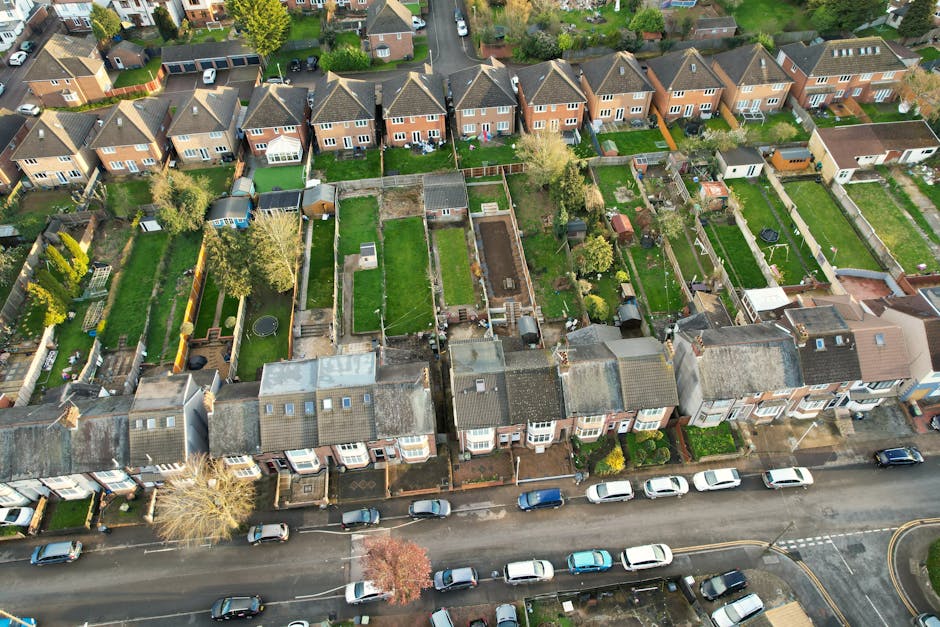
Local gardeners for Mountsfield Park homes in Catford SE6: a practical guide for better gardens, less stress, and smarter maintenance
If you live near Mountsfield Park, you already know the charm of this part of Catford SE6. The area has a proper neighbourhood feel, with gardens that can be compact, leafy, sunny, shaded, or a bit of all four depending on the plot. That mix is exactly why local gardeners for Mountsfield Park homes in Catford SE6 can make such a difference. A good local gardener does more than "tidy up" a space. They understand the rhythm of London gardens, the quirks of small front lawns, the patchy shade from mature trees, and the way a garden can go from neat to unruly after one wet week in spring.
This guide is written to help you decide what you actually need, what a professional service should cover, what to ask before booking, and how to avoid the common mistakes that lead to wasted money or patchy results. Whether you want regular lawn care, border management, hedge trimming, or a full seasonal refresh, you'll find practical advice here. And yes, we'll keep it grounded. No fluff, no grand promises. Just the useful stuff that matters when your garden needs real attention.
Why local gardeners for Mountsfield Park homes in Catford SE6 matters
Local knowledge is not a buzzword here. It genuinely changes the quality of the job. Gardens around Mountsfield Park often face a familiar set of conditions: a bit of urban shelter, a few stubborn shady corners, occasional compaction from foot traffic, and soil that may need regular feeding rather than occasional attention. A gardener who works in the area can usually spot the difference between a lawn that needs scarifying, one that needs aeration, and one that simply needs less water and more patience. That sounds simple, but it is the difference between a garden that improves and one that keeps slipping backwards.
There is also the practical side. Local gardeners can usually visit more reliably, schedule maintenance around the seasons, and respond faster if something needs urgent attention. If your hedge suddenly starts blocking light or your lawn gets hammered by wet weather, waiting several weeks for a contractor coming in from far away is frustrating. To be fair, nobody wants to spend all summer chasing callbacks for a job that should have been straightforward.
For homeowners near Mountsfield Park, a well-kept garden does more than look nice. It can make a small outdoor space feel bigger, calmer, and more usable. A neat lawn and clear borders make family life easier, help with entertaining, and reduce that low-level background stress that comes from staring at overgrowth every time you open the back door. Small things, but they add up.
If you are comparing providers, it helps to look beyond the headline service and understand the wider support on offer. A strong local business usually has clear information about its garden and lawn services, as well as straightforward details on pricing and quotes. That transparency is a good sign. It means the business is used to dealing with real household expectations, not just selling vague promises.
How local gardeners for Mountsfield Park homes in Catford SE6 works
Most local gardening services start with a conversation about the space, the problems you want solved, and how often you want help. Some homes need one-off clearing or seasonal work. Others benefit from regular visits, especially if the garden is actively used or prone to fast regrowth. The process is usually simple, but the quality of the outcome depends on the detail collected at the start.
A practical service will often cover a mix of routine and specialist tasks, such as mowing, edging, hedge trimming, border tidying, weed control, pruning, leaf clearance, and green waste removal. The exact mix depends on the condition of the garden and the time of year. A back garden that looks fine in March may need very different attention in late June. That is normal. Gardens are living spaces, not static rooms.
There is also an important difference between a quick tidy-up and a proper maintenance plan. A tidy-up is useful if you are dealing with an overgrown patch, preparing for a move, or resetting a garden after winter. Maintenance is what keeps it from getting there again. The best local gardeners will usually talk you through both options rather than pushing the same package on everyone.
It is worth checking practical details too: access, parking, gate widths, water availability, and any delicate areas around paving, fences, or planted beds. Around Mountsfield Park, homes can vary quite a lot in layout, so a neat job starts with an accurate picture of the site. If a company also explains its health and safety approach and insurance and safety standards, that usually shows they think beyond the obvious bits. Good sign, again.
Key benefits and practical advantages
There is the obvious benefit first: a better-looking garden. But the real value goes a bit deeper than curb appeal.
- Time saved: Routine outdoor jobs can eat whole weekends, especially once the grass is growing fast or the weeds decide to make a statement.
- Better plant health: Correct pruning, mowing height, feeding, and seasonal care help plants recover and grow more evenly.
- Reduced risk of damage: A local gardener is less likely to overcut a lawn, tear soft growth, or hack away at shrubs without considering regrowth.
- Less garden waste build-up: Regular clearance stops small jobs turning into huge ones.
- More usable outdoor space: A clear path, tidy border, and manageable lawn make the garden feel like part of the home again.
- Faster seasonal response: When weather shifts quickly, local support means your garden can be adjusted before issues spread.
There are also long-term advantages that are easy to miss. For example, consistent mowing and edging can help lawns look fuller over time. Smart pruning can improve light and airflow. Regular weed control can save you from a spring reset that feels endless. And if your home has a front garden facing the road, keeping it neat often changes the whole impression of the property. It feels calmer. More cared for. More yours.
One small but useful point: a good gardener should not just complete tasks, they should explain them when needed. If they cut back a shrub, they should be able to tell you why now was the right time, or why a heavier prune should wait. That kind of explanation builds trust quickly.
| What you need | Best approach | Why it works |
|---|---|---|
| Basic weekly or fortnightly upkeep | Regular maintenance visits | Keeps growth under control before it becomes a bigger job |
| Overgrown garden or seasonal reset | One-off clearance and restoration | Useful after holidays, winter, or long periods without care |
| Front garden presentation | Edging, mowing, border definition, weed control | Improves first impressions fast |
| Shaded or awkward garden areas | Tailored plant and lawn care | Prevents repeated stress from the same problem conditions |
Who this is for and when it makes sense
Local gardening support is not only for people with large gardens. In fact, some of the most demanding spaces are smaller ones. A narrow side return, a modest front lawn, or a mature rear garden with uneven light can all need regular, thoughtful attention. If you live near Mountsfield Park and any of the following sounds familiar, hiring help probably makes sense.
- You do not have the time or energy to keep up with regular outdoor work.
- Your garden is starting to look uneven, tired, or difficult to manage.
- You want a clearer plan rather than random one-off tidying.
- You are preparing to sell, let, or simply refresh your home's outdoor space.
- You have mobility issues, a busy family schedule, or simply prefer to leave specialist work to someone else.
- You are not sure what needs pruning, what should be left alone, or how to avoid damaging the lawn.
It can also make sense after a change in circumstances. Maybe you have just moved in and the garden needs a reset. Maybe the previous maintenance routine stopped. Or perhaps the garden has grown beyond what a Saturday morning and a half-working mower can realistically handle. Happens all the time, truth be told.
Some homeowners only need occasional help at key moments in the year. Others prefer a regular arrangement because it keeps the garden looking consistently tidy. Neither approach is wrong. The right one is the one that fits your pace, budget, and level of interest.
Step-by-step guidance
If you want the best result from a local gardener, the process should be a bit more structured than "come round and sort it out." A few clear steps make the work easier and the outcome better.
- Walk through the garden carefully. Note the spots that stay wet, dry, shady, or overgrown first. These details matter.
- Decide what success looks like. Do you want a full tidy, a manageable routine, or a more decorative finish?
- Identify priorities. For example, if the hedge is blocking light into the house, that may matter more than perfect border weeding.
- Ask for a clear scope. A good service should explain what is included, what is not, and whether waste removal is covered.
- Agree on timing. Seasonal work is different from routine care, and the schedule should reflect that.
- Check access and safety issues. Side gates, narrow paths, pets, children's toys, and fragile pots all need a quick mention.
- Review the result properly. Look at edge quality, waste removal, clean-up, and whether the garden still feels usable after the job.
That may sound straightforward, and it is, but people often skip the middle bits. Then they wonder why the job feels half-finished. A little clarity at the start avoids that. It also helps the gardener work faster and better, which usually benefits everyone.
If you are booking through a local business, it can help to read practical pages like recycling and sustainability if you care about green waste handling, or payment and security information if you want to understand how transactions are handled. Small details, but they matter when you are choosing someone to work around your home.
Expert tips for better results
There are a few habits that consistently lead to better gardening outcomes, especially in urban London settings like Catford SE6.
First, keep a seasonal mindset. Many problems are caused by expecting one visit to solve a year's worth of neglect. It rarely works that way. If your garden grows fast, regular visits usually produce a much better finish, and they are often less disruptive than big rescue jobs.
Second, be honest about maintenance. If you want a neat lawn but do not want frequent visits, say so. A professional can help you choose a realistic plan. Same with borders. If you want flowering plants but not high upkeep, ask for lower-maintenance recommendations rather than assuming everything will "just work." It won't, not by magic anyway.
Third, protect the parts of the garden that matter most to you. A play area, herb bed, seating space, or prized climber should be flagged early. Good gardeners like detail. It helps them work with your priorities rather than against them.
Fourth, watch how the work is finished. The best jobs do not end with a pile of cuttings left in a corner or ragged edges around paving. Look for clean lines, sensible waste handling, and a final tidy-up that leaves the space ready to use.
Fifth, do not be afraid to ask simple questions. What will happen to the waste? How often should the lawn be cut in this season? Is this shrub best pruned now or later? A confident gardener should answer clearly. No drama, no waffle.
Expert summary: In most Mountsfield Park gardens, the best results come from steady maintenance, clear communication, and realistic expectations. A tidy garden is usually the product of consistency, not a one-time blitz.
Common mistakes to avoid
Most garden regrets are surprisingly avoidable. The trouble is, they look harmless at the start.
- Booking purely on price: The cheapest quote is not always the best value if the work is rushed or incomplete.
- Not defining the scope: "General garden work" can mean almost anything. Better to be specific.
- Ignoring seasonal timing: Some pruning jobs are best done at particular times, and the wrong timing can stress plants.
- Leaving waste removal unclear: If clippings and branches are not taken away, your garden can look messy even after a good visit.
- Forgetting access issues: Narrow passages, locked gates, and parking restrictions can all affect the job.
- Expecting perfection from neglected ground: If a garden has been left for months, it may need more than one visit to recover properly.
A quieter mistake is not thinking about the end use of the space. Do you want children to be able to play? Do you want a low-maintenance layout? Do you need a place to sit on a summer evening with the smell of cut grass drifting through? If the gardener does not know the purpose, the result may be neat but not especially helpful.
And here's the slightly annoying truth: some gardens have been "tidied" in a way that actually makes them harder to maintain later. Cutting everything hard, removing structure, or flattening a planting bed without a plan often creates more work down the line. Better to ask for a considered approach.
Tools, resources and recommendations
For homeowners who like to stay involved, a few basic tools and habits can make a big difference between visits. You do not need a shed full of gear. A few sensible items go a long way.
- A sharp pair of secateurs for light pruning and deadheading.
- A sturdy rake for leaves, moss, and loose debris.
- A hose or watering can for dry spells, especially on newly planted areas.
- Gloves and a lightweight broom for fast clean-ups after windy weather.
- A note of what was planted where, if you are managing borders yourself as well.
It also helps to keep a short seasonal reminder list. For example, early spring is often the time for a first proper clear-up, summer is about consistency and watering, autumn is about leaf management and preparing beds, and winter is a sensible time to assess structure and plan changes. Nothing fancy. Just enough to avoid that end-of-season panic when everything seems to need doing at once.
If you want a broader picture of what a professional team can handle, the services overview page is a useful starting point. For households wanting a service that is transparent and organised, it is reassuring to see clear information about quotes, secure payments, and even practical support pages such as the complaints procedure. Not because you expect problems, of course, but because a business that is clear about its process tends to be clearer about its work too.
Law, compliance, standards, or best practice
For domestic garden work, most of the important points are less about formal regulation and more about responsible best practice. Still, there are a few areas worth keeping in mind.
Health and safety matters whenever tools, ladders, sharp cutting equipment, trip hazards, or heavy waste are involved. A professional should work carefully, manage risks sensibly, and avoid leaving hazards behind. If you want confidence in that area, look for clear guidance on health and safety policy and insurance and safety.
Waste handling is another good-practice area. Green waste should be dealt with responsibly, and many customers prefer that cuttings are recycled where possible. That is where a page like recycling and sustainability becomes genuinely useful, not just a nice extra.
Fair dealing and transparency also matter. Clear pricing, written or confirmed quotes, and straightforward communication reduce misunderstandings. If a company provides an accessibility statement, that is another sign of thoughtful service design, which is especially helpful if you or a family member has specific access needs.
There is also a broader ethical side to using local services. Businesses that publish a modern slavery statement are demonstrating a commitment to responsible practice. That may not affect your lawn directly, but it does speak to how the company sees its obligations. And yes, that matters.
Options, methods, and comparison
Choosing the right approach depends on the condition of your garden and how much ongoing work you want to take on. Here is a simple comparison that may help.
| Option | Best for | Pros | Trade-offs |
|---|---|---|---|
| One-off garden tidy | Overgrown or neglected spaces | Fast reset, visible improvement, good before events or photos | Needs follow-up to stay tidy |
| Regular maintenance visits | Busy households and active gardens | Consistent finish, less stress, fewer big jobs later | Requires ongoing budget and scheduling |
| Seasonal garden care | Homeowners who manage some tasks themselves | Targets the most important times of year | Less continuity than routine care |
| Mixed support | Gardens with both simple and specialist needs | Flexible, often cost-effective, balances DIY with expert input | Needs clear communication about roles |
In many Mountsfield Park homes, the mixed approach works best. Maybe you mow the lawn yourself in quieter weeks but bring in local help for hedge trimming, weed control, and seasonal tidying. That kind of split is often sensible, and it avoids paying for work you can handle comfortably.
On the other hand, if the garden is too large, too shaded, or simply too much to manage, regular professional support can be a relief. Not a luxury. A relief.
Case study or real-world example
Imagine a typical Catford SE6 back garden near Mountsfield Park: a medium-sized lawn, a few raised beds, a hedge along one side, and a patio that has become home to more weeds than chairs. The homeowner has been doing little bits here and there, but the grass is patchy, the hedge is spilling over, and the whole place feels harder to enjoy than it should.
A local gardener starts with a clear cut-back of the hedge, careful mowing of the lawn, edging around the patio, removal of dead material, and a tidy of the borders. Nothing dramatic. Just focused, steady work. The difference is immediate. Light returns to the seating area. The lawn looks more intentional. The patio stops feeling like a forgotten corner. And because the work is done in the right order, the space is easier to maintain next time.
Now the useful bit: the real win is not just that one visit. The homeowner has a plan. A fortnightly or monthly visit can now keep everything manageable. Instead of fighting a small jungle every spring, they are maintaining a garden that actually fits the time they have. That is often how the best local gardening relationships work. Practical, not theatrical.
We have all seen the opposite too. A garden gets left for months, then someone tries to "fix it" in one afternoon with a blunt mower and a bag of guesswork. It rarely ends well. A proper local service avoids that cycle.
Practical checklist
Use this checklist before you book, or before a gardener visits. It keeps everyone on the same page.
- Walk around the garden and note the main problem areas.
- Decide whether you need a one-off job or regular maintenance.
- List any plants, beds, or features you want protected.
- Confirm access, parking, and gate details.
- Ask whether waste removal is included.
- Check how pricing is structured and whether a quote is provided in advance.
- Share any safety concerns, pets, or mobility issues.
- Clarify the seasonal priorities: lawn, hedge, borders, or general tidy-up.
- Ask what happens if the weather is poor on the planned day.
- Review the result and note what you would like kept the same next time.
If you want to understand how a business handles the process from enquiry to payment, it is worth reading the pages on pricing and quotes and payment and security. Little bits of reassurance can make the whole experience feel smoother, especially if you are new to using local gardeners.
Conclusion
Choosing local gardeners for Mountsfield Park homes in Catford SE6 is really about finding practical help that fits the way you live. The best service should understand your garden's conditions, explain what needs doing, and leave the space looking better without creating extra hassle. That is the standard to look for. Not flash, just reliable work done properly.
When you choose well, the benefit is bigger than neat grass or tidy borders. You gain time, reduce stress, and get more use out of the space outside your home. And in a part of London where gardens can be both precious and a little hard to keep up with, that matters quite a lot.
Get a free quote today and see how much you can save.
For the best result, start with clear priorities, ask sensible questions, and choose a gardener who treats your outdoor space with the same care you would. A good garden has a way of quietly improving everything else. You notice it in the morning light, in the cleaner lines, in the calm after the work is done. That's the lovely part, really.
Frequently Asked Questions
What do local gardeners for Mountsfield Park homes in Catford SE6 usually do?
They typically handle lawn mowing, edging, hedge trimming, weeding, pruning, border tidying, leaf clearance, and general garden maintenance. Some also offer one-off garden clearances or seasonal refreshes.
How often should a garden near Mountsfield Park be maintained?
It depends on the size of the garden, how fast things grow, and how much you use the space. Many homes benefit from fortnightly or monthly maintenance in the growing season, with additional seasonal visits as needed.
Is a one-off tidy-up enough for an overgrown garden?
Sometimes, yes, if the overgrowth is moderate. If the garden has been left for a long time, a one-off tidy-up may be the first step before regular maintenance keeps it under control.
How do I know if a gardener is a good fit for my home?
Look for clear communication, relevant local experience, sensible pricing, and a proper explanation of what is included. If they ask about access, parking, and the condition of the garden, that is usually a good sign.
What should I ask before booking local gardening help?
Ask what work is included, whether waste removal is provided, how quotes are handled, what happens in bad weather, and whether the gardener has insurance and follows safe working practices.
Do I need to provide tools or equipment?
Usually not. Most professional gardeners bring their own tools. If you prefer a specific mower setting, have a sensitive area, or want them to use a particular product, mention it in advance.
Can local gardeners help with small front gardens as well as back gardens?
Yes. Small front gardens often benefit even more from professional attention because neat edges, tidy planting, and clean paving can transform the whole look of the property.
What if my garden has a lot of shade or poor soil?
That is common in London gardens. A local gardener can usually suggest better maintenance timing, suitable plants, and practical ways to improve the space without fighting the conditions.
How much should I expect to pay?
Prices vary based on the size and condition of the garden, the type of work, and whether waste removal is needed. A proper quote is the best way to get a realistic figure for your specific job.
Is green waste usually removed after the job?
Often it can be, but not always by default. Always confirm this in advance. Some services include waste removal, while others may quote for it separately.
What is the difference between maintenance and a garden tidy?
Maintenance is regular care designed to keep a garden in good condition. A tidy is a more intensive reset for a garden that has become overgrown or cluttered. Both are useful, just for different situations.
Are there any safety or insurance checks I should make?
Yes. It is sensible to confirm that the gardener follows safe working practices and has suitable insurance. That protects both you and the property if something unexpected happens.
Can I ask for environmentally responsible garden waste handling?
Absolutely. If sustainability matters to you, ask how clippings, branches, and other green waste are handled. A responsible provider should be able to explain their recycling or disposal approach clearly.
What is the best time of year to book garden work?
Spring and early summer are often busy because growth picks up quickly, but autumn and winter can also be useful for clearing, pruning, and planning. The best time is usually before the garden gets out of hand.
What should I do before the gardener arrives?
Move toys, furniture, and fragile items where possible, make access easy, and point out any areas that need special care. A quick five-minute walk-through can save a lot of confusion later.