Lawn Mowing in Catford
Lawn mowing in Catford should be neat, regular and suited to the way each garden is actually used. Our service focuses on keeping domestic and light commercial lawns trimmed to a clean finish, with attention to edge definition, grass collection and the practical details that help a lawn look cared for rather than simply cut. Whether a garden needs steady maintenance through the growing season or a one-off tidy-up after a spell of faster growth, the work is planned around the condition of the turf and the finish the customer wants.
We work with lawns that need routine mowing, overgrown grass reduction, edging and basic presentation as part of a wider garden maintenance plan. Where it helps, we can combine mowing with related outdoor tasks such as hedge trimming, garden clearance and landscape gardening, so the lawn sits properly within the rest of the space. If you are comparing options, use the service pages below to see how different jobs are grouped and how we approach them.
For a straightforward enquiry, start by thinking about the lawn size, access and how often the grass usually needs cutting. A clear description of the garden helps us match the right type of visit to the job, and it also makes it easier to prepare a quotation. If you are ready to go further, you can request a quotation once you have reviewed the main service details.
Regular mowing and lawn care

Regular mowing is the foundation of a tidy lawn, especially where grass grows quickly or where the garden is used often. The aim is not only to cut the grass but to keep growth balanced, avoid a patchy appearance and leave a finish that suits the shape of the space. Consistent mowing can also make later maintenance easier, because the lawn remains more manageable than if it is left to become dense or uneven. For customers who want one service to cover the basics of lawn presentation, this is usually the most practical starting point.
A careful mowing visit normally considers cutting height, the direction of travel, the condition of the borders and whether the clippings should be removed or left in place depending on the lawn and the season. Some gardens benefit from a simple pass and tidy, while others need a more deliberate approach to avoid scalping thin areas or missing growth around curves, trees or narrow sections. Garden maintenance can be useful where mowing is just one part of keeping the whole outdoor space under control.
What a tidy finish usually includes
Good lawn care is about more than a machine going over the same route each time. A sensible finish usually includes crisp edges, attention to corners, and enough care to leave the lawn looking even from one end to the other. In many gardens, small adjustments make a noticeable difference: keeping the cut consistent near paving, trimming around obstacles and checking that paths and access points are left clear. If you prefer one-off help rather than a fixed schedule, the work can still be planned around the current state of the grass.
Overgrown grass and seasonal catch-up work

Some lawns need more than a standard cut. Grass that has been left for too long can lie flat, hide debris or grow unevenly, which means the job needs to be tackled in stages rather than rushed. In those cases, mowing may be combined with clearing away cuttings, lifting straggling growth and making the area safe enough for a cleaner final cut. This is especially helpful when the lawn has not been maintained for several weeks and a normal pass would not give a reliable result.
When a lawn has become difficult to cut, we look at the condition of the surface, whether there are objects or obstructions in the way, and how much material is likely to be removed. That allows the work to stay practical and the finish to improve steadily rather than be forced in one go. Where a garden also needs waste taken away or larger amounts of outdoor debris shifted, garden clearance can sit alongside the mowing work to tidy the whole space properly.
Seasonal catch-up work is often most effective when the brief is clear: mow what can be cut safely, tidy the edges, and deal sensibly with the waste created. That gives a garden a much cleaner baseline for future care, and it avoids overstating what a single visit can achieve if the grass has been neglected for some time. If the lawn is also affected by nearby shrubs or hanging growth, combining the visit with hedge trimming can help the space look more balanced.
Mowing as part of wider outdoor upkeep

Lawn mowing often works best when it is coordinated with other garden tasks rather than treated in isolation. A lawn may look tidy on its own but still feel unfinished if the borders are messy, hedges are spilling out or paths are cluttered with leaves and cuttings. For that reason, many customers choose a broader plan that brings together repeated lawn cuts and other necessary upkeep. This keeps the garden visually consistent and makes the overall presentation easier to maintain over time.
Where the garden has stronger structure or needs a refreshed layout, mowing can sit within wider changes such as lawn reshaping, planting adjustments or surface improvements. That is where landscape gardening may be relevant, especially if the aim is to improve how the garden functions rather than simply keep it trimmed. For more substantial redesign ideas or changes to the way the outdoor space is used, a broader landscaping approach may be more suitable than mowing alone.
Choosing between a simple cut and a broader service
If all that is needed is a clean, regular cut, the lawn service can remain focused and efficient. If the grass is only one part of a larger garden that needs attention, it is often better to combine tasks so the finish feels complete. A useful way to decide is to look at the state of the lawn edges, the amount of general debris, and whether surrounding planting or timber features are affecting the look of the area. A more joined-up approach can save time later by reducing the number of separate visits needed.
Working around timber features and garden structure
Some lawns are made more complex by decks, raised borders, paths, steps or narrow runs between hard surfaces and planting beds. In those gardens, the mowing plan needs to suit the layout as much as the grass itself. Edges may need more careful treatment, and some corners may require extra attention to leave the surface even without damaging adjacent materials. That is why a practical lawn service considers the whole space, not just the open centre of the grassed area.
Where a garden includes timber features or outdoor seating areas, a tidy lawn can make the rest of the space feel more usable and better finished. It can also help to pair mowing with related work on adjacent structures, especially when the garden would benefit from stronger lines and a cleaner overall composition. If decking forms part of the area, decking services may be useful when you want the surrounding garden and the hard landscaping to be treated as one coherent project.
Access is another factor that affects how the work is planned. Some gardens are straightforward to reach, while others have narrow side entrances, shared paths or awkward turns that make it sensible to plan the route before the job begins. If you are preparing an enquiry, a brief note about gates, widths and any delicate surfaces is often enough to help shape the visit. The key point is to keep the brief honest and specific so the quotation reflects the real job rather than a rough guess.
Pricing factors and quotation details
Quotation requests for lawn mowing are usually easiest to assess when the main variables are clear: the approximate lawn size, whether the grass is currently regular or overgrown, and whether clippings need to be collected and removed. These details matter because they affect the time involved and the method used. A simple recurring cut is generally different from a first visit to a garden that has not been maintained for a while, so a useful quotation should reflect that difference.
If the job includes several connected tasks, it helps to note them together rather than send separate enquiries for each one. A single visit might involve mowing, edging, hedge trimming and general tidy-up work, but each of those tasks influences the overall scope. You do not need to over-explain the garden; just give the facts that change the work. If you are comparing service levels or want to understand how the broader business is structured, services overview provides a simple way to see the main categories together.
- Approximate lawn size or the number of areas to be cut
- Current condition of the grass, including whether it is overgrown
- Whether cuttings should be removed or left on site
- Any access points, steps, narrow paths or surface concerns
- Related work such as edging, clearance or hedge cutting
Hedge, tree and clearance work around lawns
A lawn rarely stands alone in a garden. Shrubs, hedges and trees all affect the final result because they can cast shade, shed clippings or limit access around the edges. Where the greenery around the lawn needs attention, the mowing service can be supported by other outdoor work so the whole area looks more orderly. That is particularly useful when a customer wants to improve visibility across the garden or prevent growth from crowding the grassed section.
When hedge lines are uneven or branches are drooping into the lawn, the mowing finish can only go so far unless the surrounding growth is also addressed. That is why combining services can be the most sensible way to create a coherent result. Tree lopping and removal may be relevant where larger growth is interfering with the shape, light or accessibility of the garden, while hedge work helps keep boundaries sharp and manageable.
If there is a build-up of clippings, leaves or cut material from previous gardening work, the lawn may need more than cutting alone. A clean mowing finish is easier to appreciate when the rest of the site has been cleared down to the parts that matter. In that setting, the aim is not to overcomplicate the job but to leave the grassed area looking properly finished and ready for everyday use. About us gives a straightforward introduction to the business pages for anyone reviewing the wider service range.
About Catford
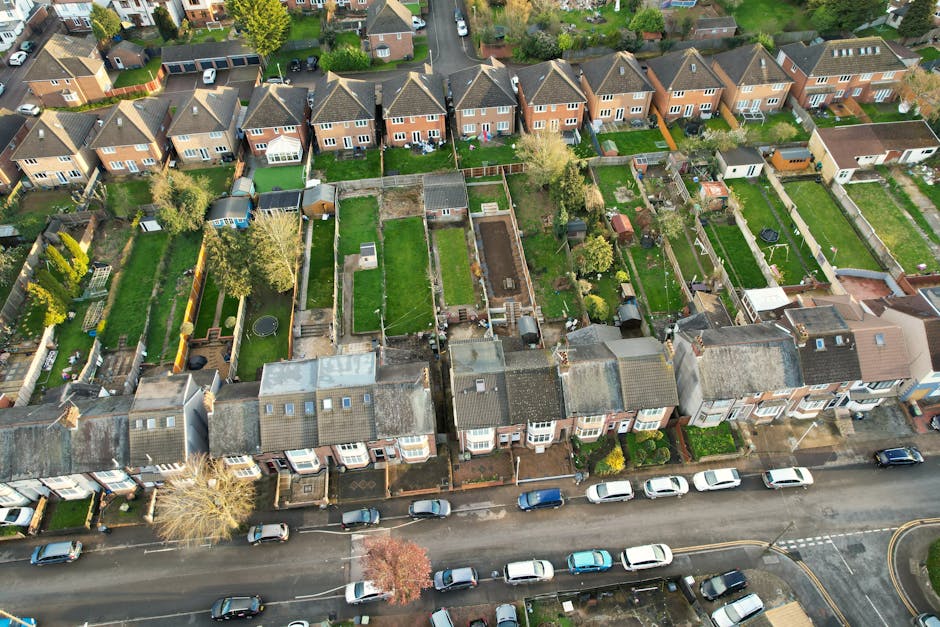
Catford is a district in the London Borough of Lewisham, in south-east London, and it is best known for the bold, busy centre around the junction of Rushey Green and Catford Road. The area developed significantly in the late nineteenth and early twentieth centuries as railways and suburban housing expanded across this part of London, and its later character reflects that growth: a mix of shopping streets, interwar housing, civic buildings and green spaces rather than a single historic core. One of the most recognisable local landmarks is the former Catford Centre area, long associated with a distinctive town-centre identity, while the South Circular road gives the district a strong transport presence. The locality also has a notable variety of open spaces, including Mountsfield Park to the east and Ladywell Fields nearby, both of which help balance the more urban streets with generous grassland and recreation areas. The River Ravensbourne runs through the wider district, adding a natural thread to an otherwise built-up part of south London. Catford also has a cultural layer shaped by libraries, community venues and long-established neighbourhood life, with architecture ranging from Victorian terraces and period civic structures to later estate development and more recent infill. Together these features make Catford a place of mixed scales and uses, where everyday shopping streets, rail connections and local green spaces sit close together within a compact urban fabric.
How to arrange a visit
When you are ready to move from browsing to booking, it helps to send a concise description of the lawn and the work you want carried out. Mention whether the grass needs a routine cut or a heavier tidy-up, whether you want the clippings removed, and whether there are other jobs that should be considered at the same time. If the garden has awkward access or features that need care, it is worth noting those too so the plan matches the reality on site.
Good preparation does not need to be complicated. A few plain details are usually enough to outline the work: the main surface to be cut, any border or edge issues, and whether the lawn forms part of a wider maintenance package. If the service needs to include a bigger outdoor refresh, it may help to refer to pricing and quotes so that the quotation request is directed to the most relevant page. Keep the description focused and practical, and the response can be shaped around the job rather than around general assumptions.
For a simple next step, use the service pages to review the options and then request a quotation when you are happy with the scope. If the job is mainly about keeping grass under control, a regular mowing plan may be enough. If the lawn sits within a more complicated garden, the quotation can take the surrounding work into account as well. That is the easiest way to make sure the service fits the space and the level of finish you want.
Maintenance choices and ongoing garden support
Ongoing lawn mowing is often most useful when it forms part of a wider maintenance rhythm rather than a one-off rush. Some customers want the grass kept in shape through the growing season, while others only need help at intervals when the garden becomes harder to manage. Both approaches are valid; the main difference is whether the priority is steady presentation or periodic catch-up. A sensible plan can be built around the garden’s actual pace of growth and the level of neatness the space needs.
In gardens where presentation matters across several layers, it is often worth aligning mowing with trimming, clearance and general upkeep so the whole site improves together. If you want to see how broader care is described, garden maintenance is a useful reference point, and hedge-trimming explains one of the common companion services. This can help you decide whether the lawn should be treated as a standalone job or as part of a bigger outdoor package.
Whatever level of support you choose, the most useful outcome is a lawn that looks intentional, not accidental. That means clean lines, sensible height management and a finish that suits the rest of the garden rather than fighting against it. If your goal is a simpler, tidier outside space, we can help shape the work around that aim and keep the focus on practical results. Get in touch for a quotation when you are ready to move ahead.